Best Practices for Organizing Laboratory Chemical Cabinets for Compliance and Safety
An effectively organized chemical cabinet minimizes the risk of spills, reactions, and exposure. Start by categorizing chemicals based on their compatibility. Segregate acids, bases, flammables, oxidizers, and toxics into separate, clearly labeled compartments. Never store incompatible chemicals together—this is a common cause of lab accidents.
Choose a cabinet made of corrosion-resistant materials, such as coated steel or polypropylene. Ensure the cabinet is ventilated if required by local safety codes, especially for volatile chemicals. Lockable doors are essential for controlling access.
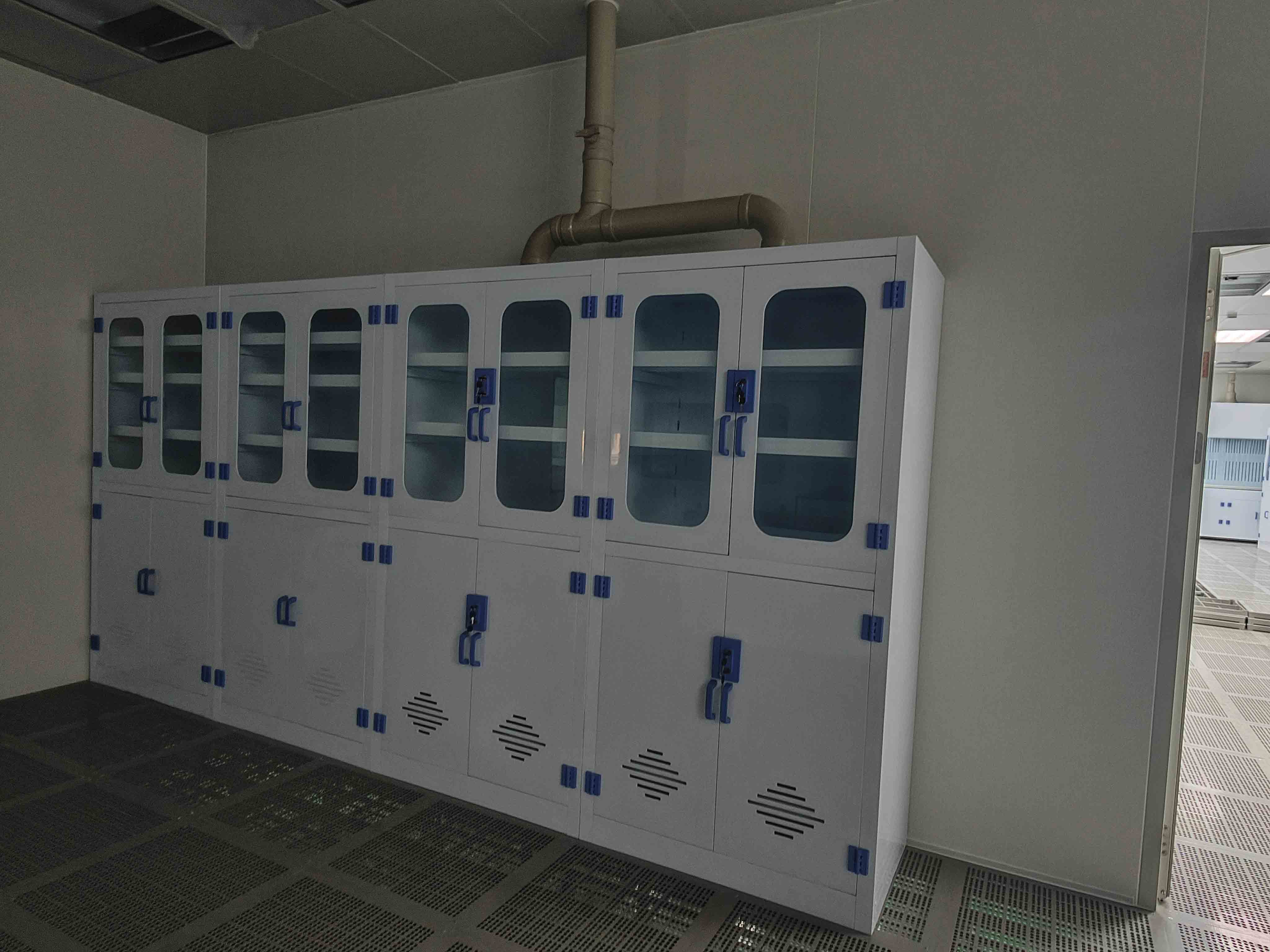
Label all containers clearly with the chemical name, concentration, hazard symbols, and expiration date. Use color-coded labels or storage bins to streamline identification and reduce handling errors. Keep the most frequently used items at eye level to minimize unnecessary movement or exposure.
Implement an inventory management system—either digital or manual. Regularly update chemical stock levels and disposal schedules to avoid the accumulation of expired or unneeded materials. Assign a staff member or safety officer to oversee compliance, inspections, and restocking protocols.
Follow OSHA, NFPA, and local safety authority guidelines when arranging your chemical storage. Safety Data Sheets (SDS) should be easily accessible, either in a physical binder nearby or via an internal digital network.

Finally, train all lab personnel on cabinet organization rules and emergency procedures. Proper training not only promotes safety but also ensures adherence to compliance standards during audits.
A well-organized chemical cabinet is not just a regulatory requirement—it's a cornerstone of lab safety culture. Invest time in setup and regular reviews to protect your team, your research, and your facility.

 Ventilation cabinet
 Medicine cabinet
 Cupboard
 Dressing cabinet and shoe cabinet
 Gas cylinder cabinet
 Test bench
 Console
 Tian Platform
 Steel frame platform
 Laboratory Ventilation System
 Laboratory Gas Circuit
 Activated Carbon Box
 Stainless Steel Stool
 Laboratory Stool
 Stainless Steel Water Tank


